
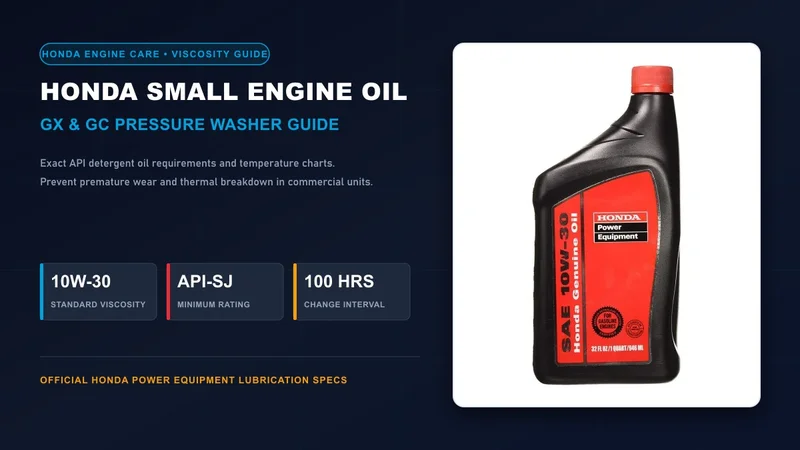
Never swap your fluids. Your Honda GX engine takes standard SAE 10W-30 detergent motor oil. Your high-pressure water pump demands non-detergent ISO 68 or SAE 30 pump oil. Pour regular motor oil into your pump, and the detergents will whip the oil into a thick, useless froth. Air bubbles can't lubricate moving parts. Plungers overheat. Bearings seize up within minutes.
Engine gets detergent. Pump gets non-detergent. Keep them separate. Across 15 years servicing high-pressure industrial pumps, I've seen foaming from detergent oil destroy more pump heads than almost anything else. Wondering what oil for honda pressure washer setups you need? Remember this: you're dealing with two completely separate machines bolted to one frame. They never share fluid.
The Bar Talk Test: Pressure Washer Pump Oil vs Engine Oil
Why does your engine love detergents while your pump chokes on them? In an engine, fuel combustion generates carbon soot and blow-by gas. Detergents act like chemical soap. They hold soot particles in suspension so they flush out during an oil drain.
A water pump has no combustion, no fuel, and no oil filter. If you run detergent oil, tiny brass and steel shavings stay suspended in the bath. That metal dust grinds through your bearings over and over. Non-detergent pump oil lets metal dust drop straight to the bottom sump magnet. That preserves the hydrodynamic fluid wedge (Petroff's minimum film thickness: h_0 ∝ μ × N / P_bearing) without whipping up foam.
Honda Engine & Pump Lubrication Specifications Matrix
A gas pressure washer runs two independent crankcases. They don't share a single drop of fluid. Match your engine model and pump brand below before you crack open a fresh bottle:
| Component / Drive System | Oil Viscosity Grade | Additive Chemistry | Anti-Foam Profile | Sump Capacity | Service Interval |
|---|---|---|---|---|---|
| Honda GC160 / GC190 (Residential OHC) | SAE 10W-30 or SAE 30 | API SJ, SL, SM, SN, SP Detergent | Anti-wear ZDDP; suspends carbon soot | 0.61 US qt (19.6 oz / 0.58L) | Initial: 5 hrs | Routine: 50 hrs |
| Honda GX200 (Commercial OHV) | SAE 10W-30 or SAE 30 | API SJ, SL, SM, SN, SP Detergent | Anti-wear ZDDP; high shear resistance | 0.63 US qt (20.3 oz / 0.60L) | Initial: 20 hrs | Routine: 100 hrs |
| Honda GX390 (Industrial Commercial OHV) | SAE 10W-30 or SAE 30 | API SJ, SL, SM, SN, SP Detergent | Heavy-duty detergent & anti-scuff | 1.16 US qt (37.2 oz / 1.10L) | Initial: 20 hrs | Routine: 100 hrs |
| Axial Wobble-Plate Pump (Simpson, OEM) | SAE 30 Non-Detergent | Zero Detergent (Rust & Oxidation Inhibited) | Zero foaming; rapid air release | Factory sealed (4–6 oz) | Sealed unit (replace if seals blow) |
| AR Annovi Reverberi Triplex Pump | ISO 68 / SAE 30 Non-Detergent | Zero Detergent (Anti-wear R&O) | Specialized defoamer; water demulsifier | 8.5 to 11.0 oz (to sight glass dot) | Initial: 50 hrs | Routine: 200–250 hrs |
| CAT Pumps (67DX / 66DX Commercial) | ISO 68 Special Pump Lube | Custom Non-Detergent Formulation | High shear resistance, anti-cavitation | 11.8 to 18.0 oz (sight glass center) | Initial: 50 hrs | Routine: 250–300 hrs |
| General Pump (TS2021 / EZ Series) | Series 100 / ISO 68 Non-Detergent | Non-Detergent Industrial Hydraulic | Allows water to settle into sump drain | 14.0 to 16.0 oz (sight glass red dot) | Initial: 50 hrs | Routine: 250 hrs |
Inside the Crankcase: Splash Dippers vs. Oil Baths
"Can I just dump leftover 10W-30 into my pump crankcase?" I hear this question all the time. The answer is flat-out no. You'll ruin your pump before the afternoon is over. Here's how each machine moves fluid inside:
What Happens If You Put Motor Oil in Pressure Washer Pump Crankcases?
Wondering what happens if you put motor oil in pressure washer pump sumps? You trigger an immediate chain reaction. Automotive motor oil contains chemical detergents, mainly calcium sulfonates and dispersants. They clean hot automobile engines well. Inside a pump crankcase, they cause catastrophic failure:
- The Oil Whips Into Shaving Cream: A direct-drive pump crank spins at 3,450 RPM. Connecting rods slap through the oil pool 58 times every second. Detergent additives act like dish soap. They break surface tension and churn crankcase air into millions of tiny bubbles. Within ten minutes, your oil turns into warm foam.
- Air Bubbles Can't Cushion Bearings: Solid liquid oil doesn't compress. It creates a tough hydraulic wedge between moving surfaces. Foam is mostly air. When ceramic plungers push against 3,000 to 4,000 PSI of water backpressure, those air bubbles collapse instantly. You get pump cavitation in the oil bath. Bronze connecting rods slam metal-on-metal against the steel crank.
- Oil Seal Blowouts: Aerated oil foam expands to roughly double its original volume. It has nowhere to go in a compact aluminum crankcase. Internal case pressure spikes. Froth blows past rubber crankcase seals and plunger packings, spraying hot fluid under your cart.
- Grit Circulates Non-Stop: A pressure pump has no spin-on oil filter. Non-detergent oil lets heavy wear debris drop straight to the sump floor. Detergents do the exact opposite. They keep microscopic brass and steel dust floating in suspension. That turns your oil into liquid sandpaper, chewing up wrist pins and needle bearings.
Track Run Hours for Accurate 50-Hour & 100-Hour Oil Service Intervals
Small engines don't come with built-in odometers. Estimating your run time accurately prevents blowing past your 50-hour (GC series) or 100-hour (GX series) drain intervals in harsh summer heat.
OPEN PRESSURE WASHING ESTIMATE CALCULATORRecommended Engine Oil: Honda Genuine 10W-30
For any Honda GC160, GC190, GX200, GX270, or GX390 engine, stick with genuine Honda 4-stroke oil. It delivers factory-spec anti-wear protection and keeps your cylinder bore free of scuffs:
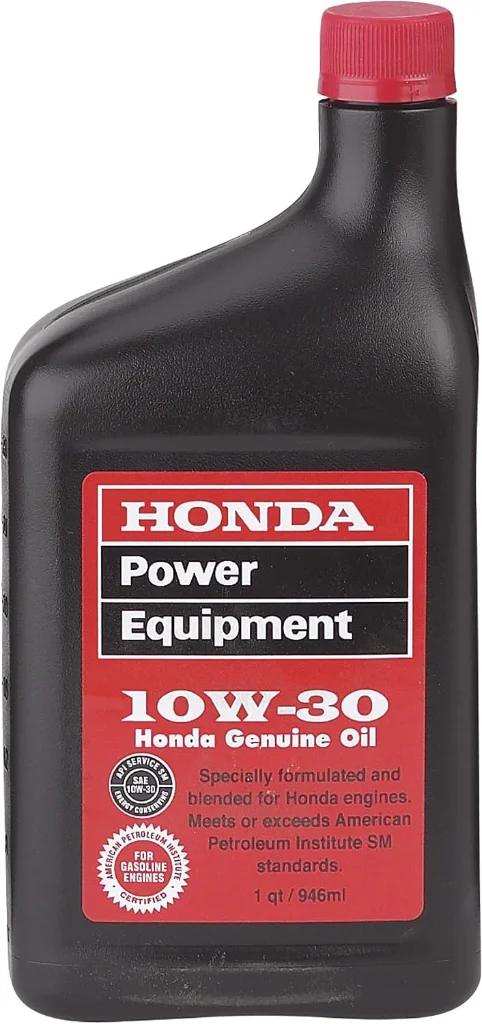
- Engine Compatibility: Formulated for Honda GC160, GC190, GCV160, GX200, GX270, and GX390 4-stroke engines.
- Splash Lubrication Additives: Packed with zinc/phosphorus (ZDDP) anti-wear compounds. Protects connecting rod dippers without needing an oil pump.
- Certified API SM/SN Rating: Meets API SJ through SN specs for thermal stability and clean piston rings.
- Package Size: 1 US Quart (32 oz / 946 ml). Covers a full drain-and-fill on GC and GX200 models with reserve for top-offs.
Recommended Pump Oil: CAT / General Pump ISO 68 Non-Detergent
Hunting for a dependable CAT pump oil equivalent? General Pump Series 100 or any industrial ISO 68 non-detergent oil matches CAT #6107 specs at about half the price. It delivers zero-foam lubrication across commercial triplex and axial pumps:
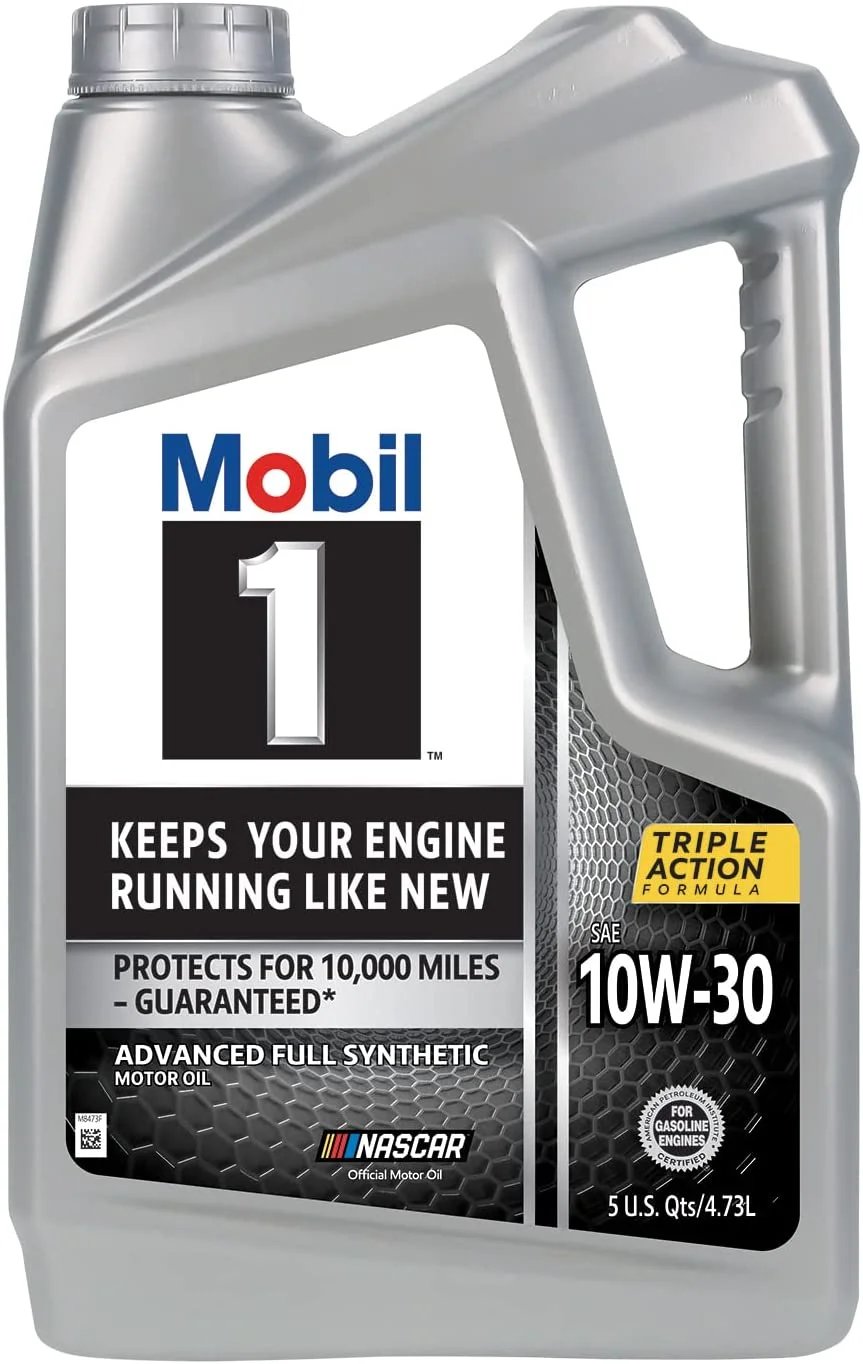
- Zero Detergent Chemistry: Prevents oil aeration and foaming when eccentric crankshaft throws churn at 3,450 RPM.
- Anti-Wear Protection: Packs rust inhibitors tailored for bronze connecting rods and hardened steel needle bearings.
- Moisture Demulsification: Sheds moisture to the sump bottom instead of trapping it. That lets you spot seal leaks right in the sight glass.
- Universal Pump Compatibility: Runs great in CAT Pumps, Annovi Reverberi (AR), General Pump, Comet, and AAA triplex pumps.
Safe Alternative Engine Oils for Honda Power Equipment
Can't find genuine Honda oil locally? Any high-grade synthetic or conventional 4-stroke engine oil works fine in your Honda crankcase. Just verify it meets API SJ, SL, SM, SN, or SP standards:
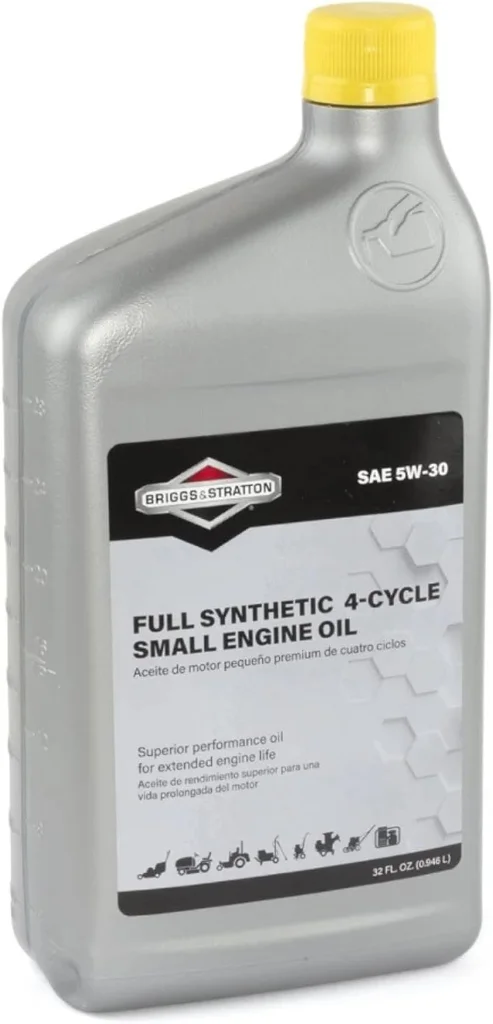
Formulated for air-cooled 4-cycle small engines running in brutal outdoor conditions. The synthetic base stock prevents thermal thinning during 95°F summer wash jobs. It also cuts starter rope drag during cold morning starts.
- Viscosity: SAE 5W-30 / 10W-30 Synthetic
- API Classification: API SP / SN Plus certified
- Application: Direct drop-in for Honda GC and GX air-cooled engines
Najam's Workbench Bill of Materials: Fluid Service Kit
Keep these supplies on your shop shelf to service your Honda engine and pressure pump without making a mess:
| Part Name & Chemistry | Specification / Viscosity | Engineering Purpose | Hardware Action |
|---|---|---|---|
| Genuine Honda 10W-30 Engine Oil (32 oz) | SAE 10W-30 API SP/SN Detergent | Splash-dipper lubrication with ZDDP anti-wear protection for Honda GC160, GC190, GX200, and GX390 engines. | Check Amazon |
| CAT / General Pump Non-Detergent Pump Oil | ISO 68 / SAE 30 Non-Detergent | Stops crankcase foaming and oil cavitation; protects ceramic plungers and bronze connecting rods. | Check Amazon |
| Sta-Bil Pump Protector Anti-Freeze Lubricant | 3/4" Garden Hose Inlet Thread (GHT) | Shields the pump manifold with mineral lube to stop sticking check valves and freeze cracking. | Check Amazon |
| Low-Profile Drain Pan & Flexible Funnel Set | 2-Quart Sump Pan + Nitrile Bending Guide | Channels spent fluid cleanly away from engine mounts without coating your tubular cart frame. | Check Amazon |
Workbench Walkthrough: How to Change Engine & Pump Oil
Protocol A: How to Change Oil in Honda GX390 & GX200 Pressure Washers
- Warm Up the Engine: Run the engine for 3 to 5 minutes before draining. Warm oil thins out fast and flushes away loose combustion soot.
- Position Your Drain Pan: Place your low-profile drain tray right below the engine drain bolt (a 10mm or 12mm hex plug at the base). Bend a flexible funnel under the threads to keep oil off your frame.
- Drain and Inspect: Pull the drain plug and yellow dipstick cap. Let old fluid drain for 5 minutes. Dark amber or black is fine. Silver metallic glitter means dipper or journal bearing wear.
- Torque the Drain Plug: Reinstall the drain plug with a fresh aluminum crush washer. Snug it to 18 Nm (13 ft-lb). Never over-tighten, or you'll strip the soft aluminum threads.
- Refill and Check Level (Do Not Thread Dipstick): Pour genuine Honda 10W-30 slowly through a clean funnel. Park the washer on level ground. Rest the dipstick in the filler neck without threading it in. Oil must touch the top crosshatch mark.
Protocol B: High-Pressure Triplex Pump Oil Service
- Check Sight Glass Color: Look through the round glass window on the pump crankcase. Healthy pump oil is clear amber. If it looks milky white or like melted chocolate shake, water pushed past your high-pressure packing seals. Rebuild the seals right away.
- How Full Should the Sight Glass Be? Keep the oil level right at the center red dot (exactly 50% full). Never fill a pump crankcase to the top. The oil bath needs an air expansion pocket as crankcase temperatures rise during long washing runs.
- Drain the Old Pump Oil: Pop open the red vented breather plug on top. Remove the bottom hex drain bolt. Let the thick ISO 68 pump oil drain completely into your catch pan.
- Re-Seal and Fill to the Center Dot: Clean the magnetic drain plug tip. Wrap 1.5 turns of PTFE tape around threads (or check the O-ring), then tighten down. Slowly pour non-detergent ISO 68 pump oil until it hits the red center dot. Screw the vented breather cap back on.
Diagnostic Alert: Why Is the Honda Engine Shutting Down on Slopes?
Honda GX series engines feature an internal Oil Alert float sensor wired to the ignition coil. On sloped driveways or uneven turf, oil sloshes away from that magnetic switch. It grounds the ignition circuit and cuts spark instantly. If your washer dies whenever you tilt the cart, top off the crankcase. Ensure the oil level touches the upper filler neck rim with the dipstick resting unthreaded.
Fresh crankcase oil protects your engine and pump drive. But don't forget the wet end. Your brass manifold and valves need defense against lime scale and freeze cracks. Check out our walkthrough on how to winterize pressure washers before storing your gear for winter.