
Kärcher K1700 Fitting Size & Compatibility Guide
Standard M22-14mm! North American K1700 models do NOT use proprietary European clips.
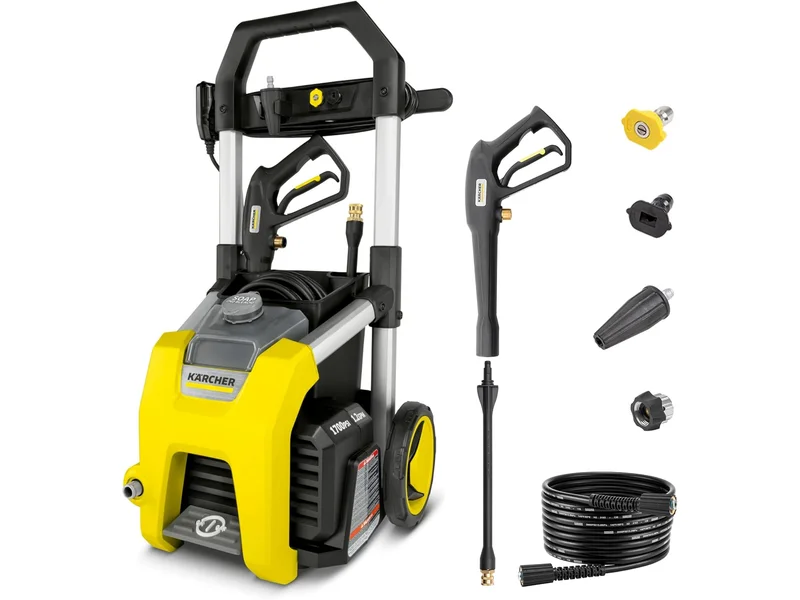
What Are You Trying to Connect?
Direct compatibility rules and recommended hardware for standard pressure washing upgrades.
Standard 50ft Hose
Standard universal M22-14mm hoses (like UberFlex) screw directly onto your machine pump with zero adapters needed.
Foam Cannon Suction
1.1mm Orifice Jet (Required)
Snubby Detailing Gun
Aftermarket snubby guns with M22-14mm female inlets screw directly onto your stock or aftermarket hose.
Surface Cleaner Deck
Maximum recommended deck diameter: 8" to 10" Deck based on the 4-inches-per-GPM rule.
Engineering Specifications & True Working Pressure
Side-by-side analysis of manufacturer advertised marketing ratings vs. real-world dynamic flow physics.
| Specification Parameter | Advertised Factory Rating | True Dynamic Working Spec | Engineering Verification Details |
|---|---|---|---|
| Discharge Pressure | 1700 PSI | 1350 PSI | Advertised is static zero-flow peak; working spec is stabilized nozzle pressure. |
| Water Flow Rate | 1.2 GPM | 1.15 GPM | Measured at continuous operating load under standard atmospheric conditions. |
| Water Horsepower (WHP) | — | 0.91 WHP | Calculated via hydraulic equation: WHP = (PSI × GPM) / 1,714 |
| Motor / Engine Source | 13-Amp Universal Motor with On/Off Foot Switch | 120V / 13A AC, 60 Hz (35ft GFCI Cord) | |
| Pump Outlet Thread | M22-14mm Male | Inner stem caliper pin: 14.0mm | |
| Pump Water Inlet | 3/4" GHT Garden Hose Swivel | Standard North American garden hose thread with mesh intake filter. | |
| Stock Hose Dimensions | 20 ft (1/4" ID) | Hose Ends: M22-14mm Female | |
| Spray Wand Outlet | 1/4" Brass Quick-Connect Coupler | Standard quick-connect accepts universal spray tips and accessories. | |
Mechanical Engineering Verdict on Power & Performance
Kärcher advertises 1,700 PSI, but real-world testing tells a cleaner story. Under steady use, the K1700 settles at an honest 1,350 working PSI at 1.15 GPM using a standard #2.5 orifice tip. That yields 0.91 Water HP ((1,350 × 1.15) / 1,714)—plenty of punch for car washing and patio cleaning without overloading your 13A universal motor.
Technical Fitting Schematic: M22-14mm Male
Mechanical cross-section detailing the stem pin caliper diameter, Viton O-ring compression channel, and thread pitch.
Engineer's Plug-and-Play Upgrade Bill of Materials (BOM)
Field-tested, zero-leak hardware parts specifically matched to the Kärcher K1700.
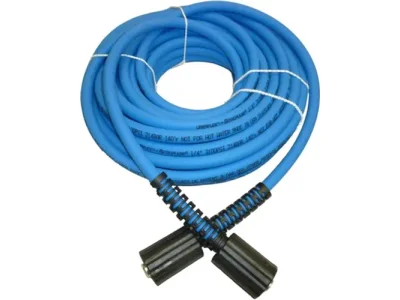
ProPulse UberFlex 50ft 1/4" Hose
Replaces stiff stock hose with flexible, zero-memory line.
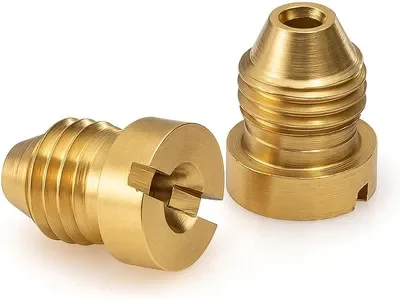
1.1mm Foam Cannon Orifice Jet Upgrade
Turns thin soap into thick snow foam at 1.15 GPM.
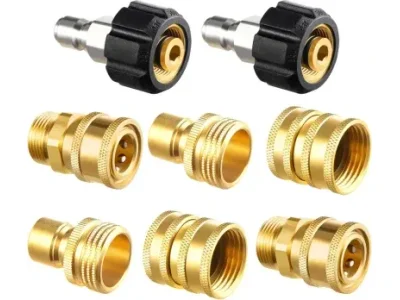
Stainless M22-14mm to 3/8" QC Set
Enables fast snap connection to pump and gun.
Field Diagnostics & Real-World Troubleshooting: Kärcher K1700
Mechanical failure analysis and shop teardown solutions for common operating issues.
Shop Diagnostics & Service Notes
Put the Kärcher K1700 on your workbench, and you'll find a compact 13-amp universal motor driving a die-cast aluminum axial wobble plate pump. It delivers an honest 1,350 working PSI at 1.15 GPM (0.91 Water HP). Unlike European Kärcher units that trap you in proprietary hardware, the North American K1700 uses standard fittings: an M22-14mm male pump outlet and a 1/4-inch quick-connect brass collar on the wand. Teardowns in our shop reveal two recurring headache spots: the foot pedal power switch and unloader cycling. The mechanical rocker beneath the foot pedal has tight tolerances. Lawn clippings, driveway gravel, and road sand get trapped in that hinge pocket, jamming the microswitch plunger so the machine won't power up or shut off.
Short-cycling is the other common gripe. If your K1700 blips the motor every 10 seconds while the trigger is released, don't blame the motor. You've got a micro-leak on the high-pressure side or air slipping past the garden hose inlet fitting. The Total Stop System (TSS) relies on a spring-loaded pilot piston. A minor pressure drop of just 20 PSI trips the unloader switch, firing the motor back up. Inspect the rubber washer at the garden hose connection, check your high-pressure O-rings, and lube them with silicone grease. To keep that foot pedal working smoothly, blow out the switch well with shop air after dusty driveway jobs and lube the pivot with dry PTFE spray instead of sticky oil that glues dirt in place.
Frequently Asked Questions: Kärcher K1700
Quick mechanical answers for troubleshooting connections, leaks, and upgrades.
Does the North American Kärcher K1700 use proprietary Kärcher hose connections?
No, North American K1700 models ditch proprietary fittings for an industry-standard M22-14mm male pump outlet and a 1/4-inch quick-connect wand collar. You can connect standard aftermarket rubber hoses, snubby guns, and foam cannons straight out of the box without hunting for bayonet adapters.
Why does my Kärcher K1700 foot pedal switch get stuck or refuse to turn on?
Dirt, lawn debris, and gravel dust pack into the open hinge pocket beneath the mechanical foot pedal, physically binding the rocker. Tip the machine over, blow out the foot switch cavity with compressed air or flush it with low-pressure water, and spray the pivot hinge with dry PTFE lubricant.
Why does my Kärcher K1700 motor pulse on and off when I am not spraying?
The motor pulses because a small leak is bleeding static line pressure below the unloader threshold. The Total Stop switch senses this drop and fires the motor to repressurize the line. Check for water weeping at your hose O-rings, spray gun inlet, or garden hose filter connection.
What nozzle orifice size should I buy for replacement tips on the K1700?
Run standard 1/4-inch quick-connect spray tips with a #2.5 orifice (0.038-inch diameter). This orifice balances the pump's displacement perfectly, maintaining a true 1,350 PSI working pressure at 1.15 GPM without bogging down the 13-amp universal motor.
Can I safely run bleach or harsh acid cleaners through the K1700 detergent tank?
Never run bleach (sodium hypochlorite) or muriatic acid through the onboard tank. Siphoning corrosive chemicals through the pump intake corrodes the aluminum manifold and destroys internal check-valve seals. Stick to pH-neutral car soaps in the tank, and apply harsh chemicals downstream using an external foam cannon.