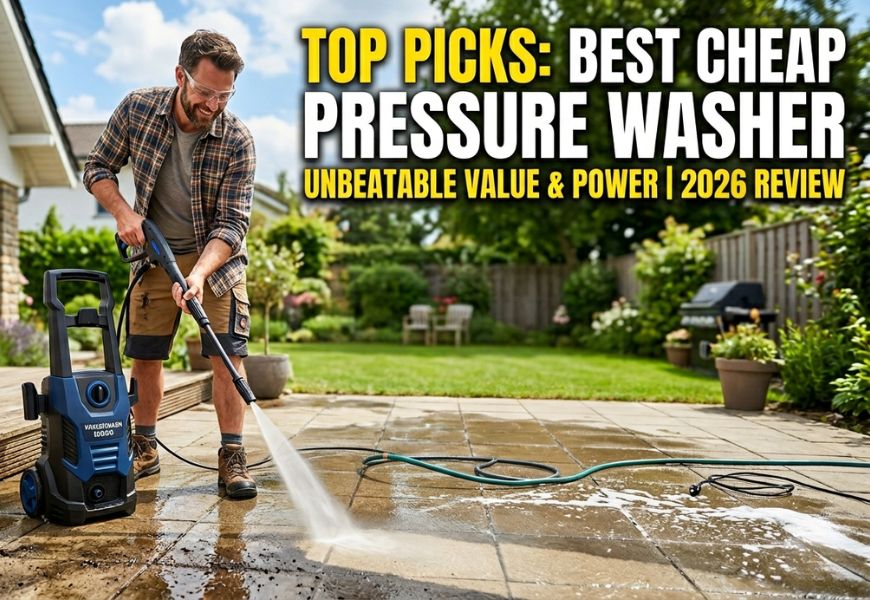
Affiliate Disclaimer: This post may contain affiliate links, meaning we get a commission if you decide to make a purchase through our links, at no extra cost to you.
When seeking a cost-effective pressure washer, understanding the core metrics of performance is paramount. Every model is defined by two critical numbers: PSI (Pounds Per Square Inch) and GPM (Gallons Per Minute). PSI indicates the sheer force of the water jet, directly correlating to its cleaning power for dislodging stubborn grime. GPM, conversely, measures the volume of water delivered per minute, influencing how quickly you can rinse away dirt over a given area.
Pressure washers and power washers are very similar in their operational principles, both relying on these ratings to define capability.
What to Expect from a Budget-Friendly Electric Pressure Washer
Stepping into the realm of “cheap” pressure washers primarily means exploring electric models. Unlike their gas-powered counterparts, electric units are generally lighter, quieter, require less maintenance, and produce no emissions, making them ideal for residential garages and backyards. While they typically don’t reach the extreme PSI levels of high-end gas or 240V electric machines, modern budget electric pressure washers have significantly improved in capability. It’s been a few years since electric pressure washers finally hit the 3000 PSI performance mark, broadening their utility.
When consulting clients on cost-effective solutions, we emphasize that “cheap” doesn’t mean ineffective; it means finding the right tool for the right job. For tasks like vehicle washing, deck cleaning, or small patio refreshing, a pressure washer in the 1500-2500 PSI range with a decent GPM rating will be perfectly sufficient. Investing in a professional-grade unit like a Kranzle, while exceptional, is often overkill and an unnecessary expense for the average homeowner’s needs.
Top Picks: Best Cheap Pressure Washers by Price Tier
Based on our market analysis and user feedback, several models consistently stand out for their exceptional value and performance within specific budget ranges.
Under $200: Entry-Level Efficiency
For those seeking the absolute lowest entry point without sacrificing core functionality, options exist that deliver surprising power.
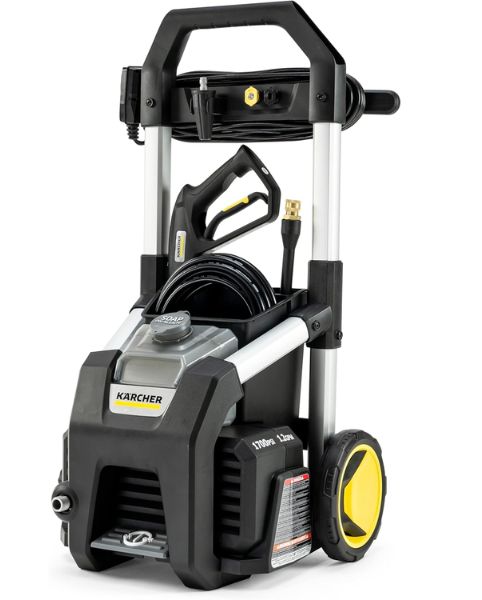
The Karcher K1700 Series is a strong contender in this category, often found well under the $200 mark. These units provide a reliable cleaning experience for lighter tasks.
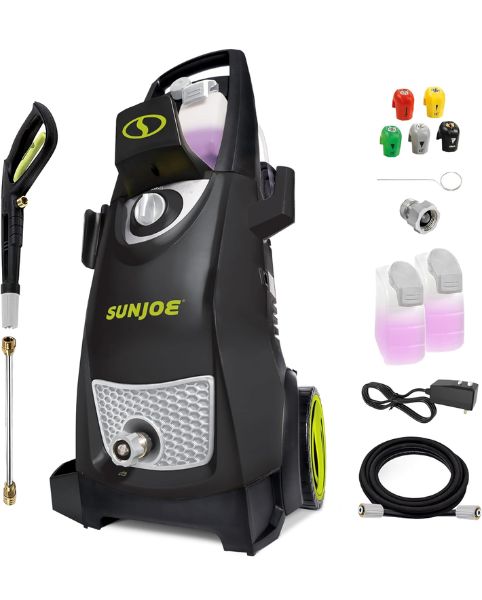
Users have also reported positive experiences with a relatively cheap Sun Joe electric pressure washer, highlighting that satisfactory performance can be achieved at this price point.
$200-$300: Enhanced Performance and Features
Moving into the $200-$300 bracket opens up more robust options, balancing increased power with improved features. The Active VE52/56 Series offers a step up in performance, delivering solid results for a range of residential duties.
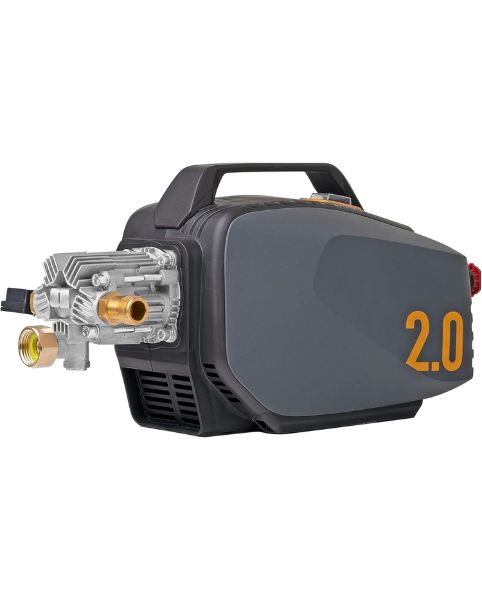
More recently, the Active 2.0 Series has emerged as a formidable option, often dubbed the “New King of Entry Level Pressure Washers” due to its impressive balance of power and user-friendly design.
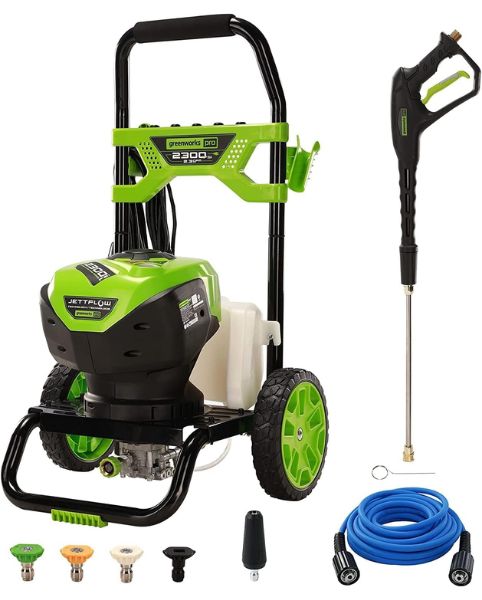
For those prioritizing both pressure and flow, the Greenworks Pro 2300psi/2.3gpm model is a highly recommended choice, often retailing around $280.
The Westinghouse ePX3500 Electric Pressure Washer, 2500 Max PSI 1.76 Max GPM also presents a compelling package in this segment, featuring useful additions like anti-tipping technology and a professional-style steel wand.
Reaching the 3000 PSI Mark Affordably
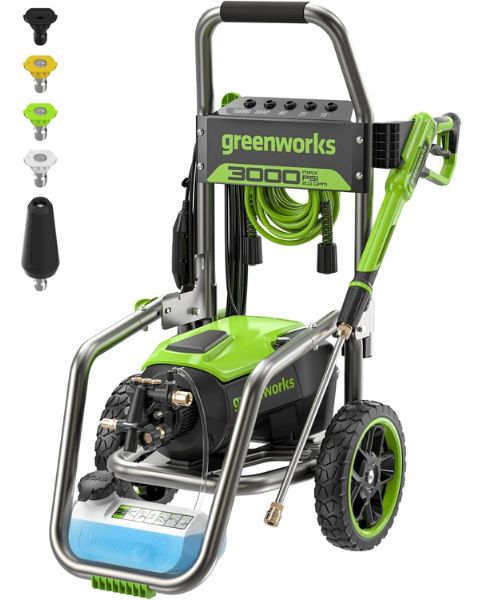
For users needing more serious cleaning power without the significant jump in cost associated with professional-grade machines, certain electric models now approach the 3000 PSI threshold. Ryobi’s offerings stand out in this regard.
When comparing performance, their models offer the best all-around package for a corded model if you’re looking for higher PSI. A unit boasting 3200 PSI and 1.2 GPM represents the most powerful electric pressure washer before needing to step up to the 240V corded class, which comes with a substantially higher price.
This category provides a solid starting point for users who need more than basic cleaning power but aren’t ready to invest in a commercial unit.
Key Features to Look For in a Budget Model
Beyond raw PSI and GPM, several practical features enhance the usability and versatility of a budget pressure washer. In our assessments, these details significantly improve the user experience and overall value:
- Nozzle Set Variety: A comprehensive set of quick-connect nozzles (0°, 15°, 25°, 40°, and soap) allows for precise control over spray pattern and intensity, adapting the washer for different surfaces and tasks without needing multiple tools.
- Onboard Soap Tank: Integrated detergent tanks simplify the application of cleaning solutions, crucial for tasks like car washing or removing tough grime. This feature enhances efficiency by eliminating the need for external buckets.
- Anti-Tipping Technology: For models like the Westinghouse ePX3500, stability features prevent accidental tip-overs, which is a common frustration and safety concern with lighter electric units, especially when maneuvering hoses.
- Pro-Style Steel Wand: While not universal in cheap models, a steel wand offers superior durability and a more professional feel compared to plastic alternatives, resisting wear and tear over time.
- Cord and Hose Length: Adequate length for both the power cord and high-pressure hose reduces the need for extension cords and frequent repositioning of the unit, greatly improving workflow.
Maximizing Your Cheap Pressure Washer’s Lifespan
Even an affordable pressure washer can provide years of reliable service with proper care. A common roadblock we’ve seen with clients is neglecting basic maintenance. Always ensure the unit is stored in a clean, dry place.
For regions with freezing temperatures, winterization is crucial to prevent pump damage from ice expansion. This typically involves running pump protector or antifreeze through the system.
Furthermore, using appropriate detergents and avoiding running the pump dry will significantly extend the life of your equipment. A well-maintained budget unit can often outperform a neglected high-end one in the long run.
Final Verdict / FAQ
Selecting the best cheap pressure washer comes down to aligning your needs with the machine’s capabilities and features. For most residential cleaning tasks—from detailed car care to refreshing pathways—an electric model in the $200-$300 range, offering around 2000-2500 PSI and 1.5-2.0 GPM, presents the optimal balance of cost and performance. Brands like Active, Greenworks, Ryobi, and Karcher consistently deliver value in this segment.
Frequently Asked Questions
Q: Is a gas or electric pressure washer better for a budget?
A: Electric pressure washers are almost always more budget-friendly upfront, quieter, and require less maintenance than gas models, making them ideal for most residential users. Gas models generally offer higher PSI/GPM but at a higher cost and with more maintenance.
Q: What PSI do I need for car washing?
A: For car washing, typically 1200-1900 PSI is sufficient. Anything higher risks damaging paint if not used carefully. The Active 2.0 is a prime example of a unit perfectly suited for this task.
Q: Can a cheap pressure washer clean my driveway?
A: Yes, many budget electric pressure washers, especially those reaching 2000-2500 PSI, can effectively clean driveways. For larger or heavily soiled driveways, a unit closer to 3000 PSI will be significantly more efficient, though it may take longer than with a more powerful, professional unit.